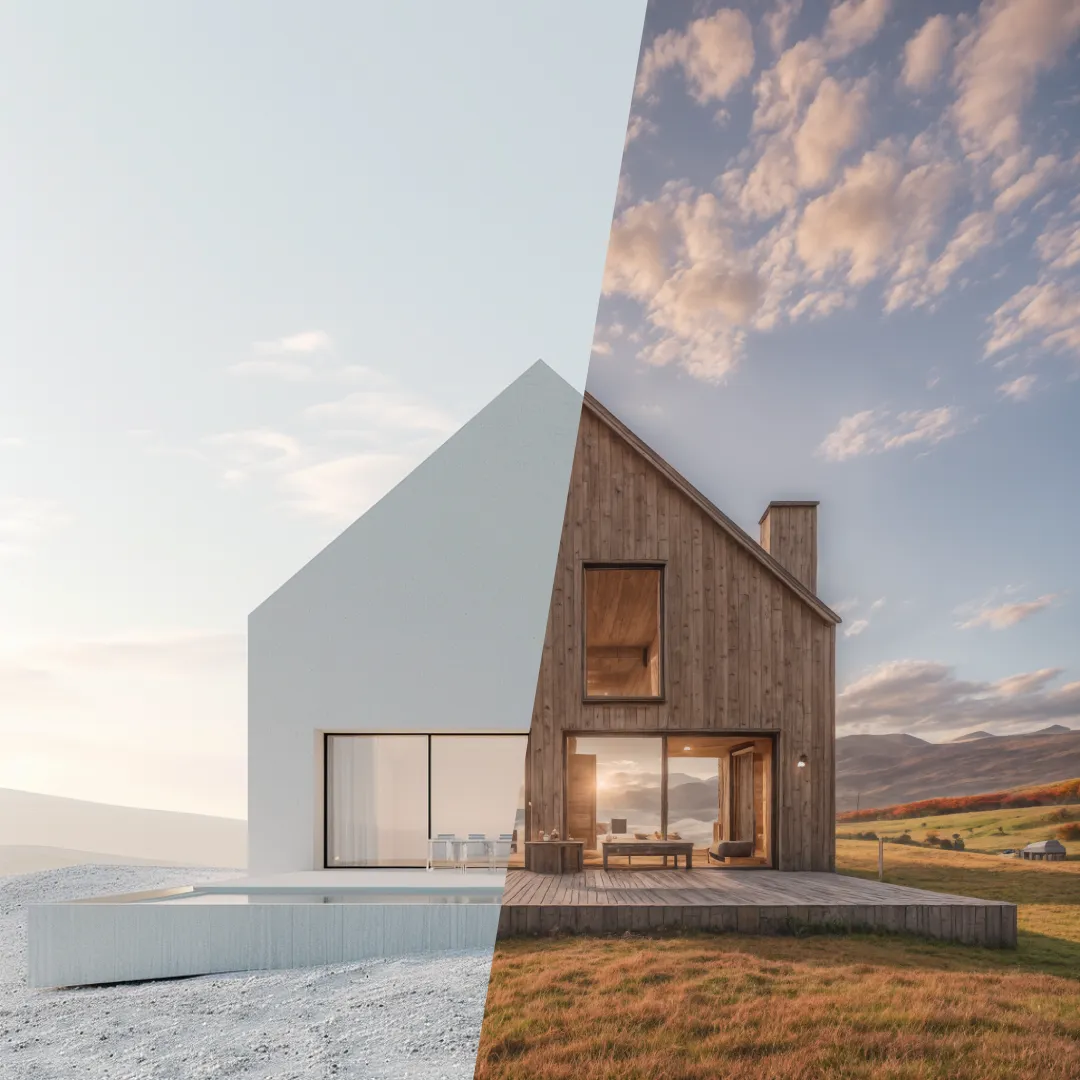

Empty rooms rarely inspire buyers to picture themselves at home. A bare living room photographs as square footage, not as a place anyone wants to live. This is exactly the gap that modern staging technology fills, and it explains why so many agents now search for a reliable virtual staging tool for realtors before they even schedule a listing photoshoot.
Traditional staging meant renting furniture, coordinating a stylist, and waiting weeks before a property was truly camera-ready. That approach still works, but it comes with a price tag that many listings simply cannot justify, especially vacant homes or properties priced below the luxury tier. Technology has changed the equation, giving agents a faster and considerably more affordable path to polished, buyer-ready photography.
The Real Cost of Empty Listings
Vacant properties tend to linger on the market longer than staged ones. Buyers browsing listings on their phones scroll past photos that fail to spark any emotional connection. An empty bedroom or a bare dining area asks the buyer to do all the imaginative work themselves, and most simply will not bother.
This is where staging pays for itself. A thoughtfully furnished photograph gives buyers a sense of scale, flow, and lifestyle that an empty room cannot convey. Agents who skip this step often find themselves lowering the asking price or waiting far longer for serious offers, both of which cost more than a modest investment in listing photography ever would.
What Makes AI Staging Different
Artificial intelligence has quietly transformed how agents prepare their photo sets. Instead of renting physical furniture or hiring a photo editor and waiting days for a turnaround, an agent can now upload a photograph of an empty room and receive a fully furnished, photorealistic version within moments.
The technology works by analyzing the geometry, lighting, and perspective of the original photograph, then placing furniture and decor that match the scale of the room precisely. The result looks like a professionally staged space, without a single piece of real furniture ever entering the property. For agents juggling multiple listings at once, this kind of speed changes what is realistically possible in a single week.
Choosing the Right Staging Approach
Agents generally have four paths available when it comes to preparing a listing for sale. Each comes with its own balance of cost, turnaround, and commitment.
- Physical staging with rented furniture and a stylist visit
- Human-edited virtual staging through a photo editing service
- Subscription-based AI staging platforms with monthly plans
- Pay-per-image AI staging with no recurring commitment
The first two options tend to be slower and considerably more expensive, particularly for agents handling several properties simultaneously. Subscription AI tools solve the speed problem but often lock agents into a monthly cost regardless of how many listings they actually have that month. Pay-per-image platforms offer a middle ground that many agents find more practical, since the cost only applies when there is an actual photo to stage.
How Realtors Are Using This Technology
Search interest around virtual staging for real estate agents has grown steadily as more brokerages recognize the return on a relatively small investment. Agents are no longer treating staging as an occasional luxury reserved for high-end listings. It has become a standard part of preparing almost any property for market, regardless of price point.
This shift makes sense once the math is considered. A single staged photo can cost less than a dollar with the right platform, while a full eight-photo listing set can be completed in a matter of minutes rather than days. Agents who once reserved staging budgets for their most expensive listings are now applying the same approach across their entire portfolio, simply because the barrier to entry has dropped so significantly.
Precision Matters for MLS Listings
Not every staging job serves the same purpose. Some agents want dramatic, magazine-style photography for social media and marketing campaigns, while others need images that remain strictly accurate for MLS compliance. The distinction matters because MLS rules generally require that staged photographs be clearly disclosed and that they do not misrepresent the actual condition of the property.
A precise staging mode, one that adds furniture without altering the walls, floors, or fixtures of a room, keeps agents on the right side of these disclosure requirements. This approach preserves the honesty of the listing while still giving buyers a compelling reason to book a showing. Agents who prioritize compliance alongside visual appeal tend to avoid the disputes that occasionally arise when a staged photo strays too far from reality.
What to Look for in a Platform
Not every staging tool is built the same way, and the differences matter more than they might initially appear.
- No recurring subscription or expiring credit balance
- Fast turnaround measured in seconds, not days
- A wide range of interior design styles available
- Export formats sized correctly for MLS upload
- Clear commercial licensing for every generated image
Agents evaluating their options should pay close attention to how a platform handles pricing over time. A tool that charges per image with credits that never expire tends to suit the unpredictable, seasonal nature of real estate far better than a fixed monthly subscription that continues billing during slower months.
Making Staging Part of Your Routine
The agents who benefit most from this technology are the ones who build it into their standard listing process rather than treating it as an occasional extra step. Photographing an empty room, staging it digitally, and having the finished images ready before the listing even goes live has become a realistic workflow for busy professionals managing several properties at once.
This routine also helps agents pitch new listings more effectively. Being able to show a seller what their empty home could look like fully furnished, within minutes of the initial walkthrough, adds a layer of professionalism that can influence whether a seller chooses one agent over another.
Conclusion
Digital staging has moved from a novelty to a practical necessity for agents who want their listings to stand out in a crowded market. The combination of speed, affordability, and photorealistic quality makes it accessible even for agents working with tighter marketing budgets. Platforms like stagehq.ai have made this process simple enough that staging an entire listing takes less time than writing the property description itself, giving agents one more way to present every home at its absolute best.