
Moisture can cause harm long before a homeowner sees clear damage. It may build up beneath the floor or collect near the foundation. At first, there may be only a faint smell or a cold patch on the floor. Over time, the problem can affect wood and insulation. Water can also attract pests and create poor indoor air. A good moisture control plan helps stop these issues at the source. It also gives homeowners more control over the condition of their property.
Where Dampness Begins
Every moisture problem has a starting point. Rain may enter through small gaps near the foundation. Poor drainage can leave wet soil close to the house. Leaking pipes can also add water to hidden spaces. These sources need to be found before repairs begin. Crawlspace repair services Riverwoods can help homeowners locate damage and choose suitable repair steps. A full inspection should check the ground and nearby walls. It should also look at support beams and insulation. When the cause is clear, the repair work can be planned with care.
A Barrier Against Ground Moisture
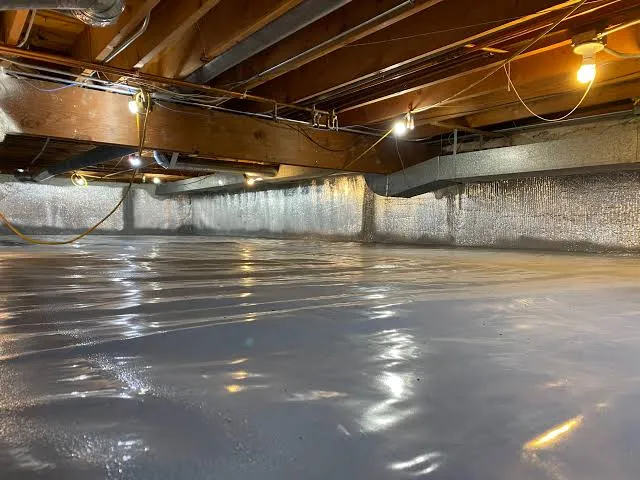
Soil can release water vapour into the air below a home. This can make the space damp even when there is no visible leak. A strong moisture barrier helps limit this movement. It should cover the ground with sealed joins and secure edges. Gaps can let damp air pass through. Crawlspace encapsulation Highland Park can help address moisture concerns through a sealed protective layer. The area should be checked and cleared before the work starts. Any standing water must be removed first. A clean surface helps the barrier perform as intended.
Better Air Starts Below
Air quality inside a home can be affected by conditions below the floor. Damp air may carry musty smells into living areas. It can also make rooms feel less comfortable. Good moisture control helps reduce this risk. Ventilation needs careful planning because every home has different needs. In some cases, open vents may bring in more damp air. A sealed system may be a better choice. Insulation also needs attention when it becomes wet or damaged. A balanced approach can help keep indoor spaces fresh and the lower area dry.
Drainage Protects The Base
Water should always move away from the home. Gutters and downspouts play an important part in this task. When they become blocked, water may spill near the foundation. Poor yard slope can make the issue worse. Simple changes can help guide rainwater away. Drain lines may also be useful where water keeps collecting. A sump pump can help in areas that face repeated water entry. Each option should match the site conditions. Regular checks after heavy rain can show whether water is moving in the right direction.
Care That Lasts Longer
Moisture control needs regular attention after the main work is done. Homeowners should check for new water marks and unusual smells. Gutters need to stay clear throughout the year. Downspouts should carry water away from the walls. Stored items should not block access to pipes or drains. It also helps to keep a record of inspections and past repairs. Small changes can reveal a new issue before it spreads. A yearly review can help owners keep the home in good shape and plan repairs at the right time.
Conclusion
A dry home starts with proper care below the floor. Moisture can weaken wood and affect indoor comfort when left unchecked. Early checks help reveal where water enters and why it stays. Good barriers and clear drainage can reduce future risks. With suitable repairs and regular upkeep, homeowners can protect their property and support a healthier living space through every season.

